
 ★ 7.8
Oligopoly
An oligopoly is a market held by a few sellers, and Hollywood is the textbook case: five companies own most of its studios. This guide follows twelve of their labels, from Walt Disney Pictures, Pixar and Marvel to Warner Bros., New Line, DC, Universal, Illumination, Focus, Paramount, Columbia and Sony Pictures Animation, with the most voted films of each, 155 films with synopses, cast and where to watch.
Featured studios
DisneyWalt Disney Pictures
See all (13)★ 7.8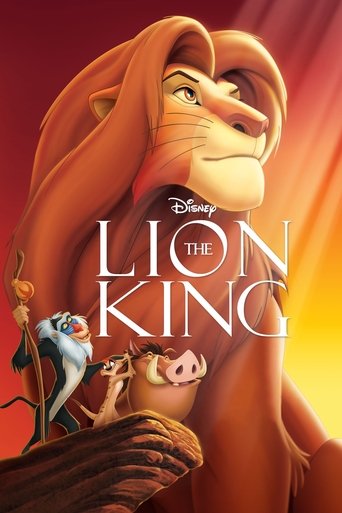 ★ 8.3
 ★ 7.8
 ★ 7.3
 ★ 7.4
 ★ 7.7
 ★ 7.0
 ★ 7.3
 ★ 6.6
 ★ 6.6
 ★ 7.6
 ★ 7.1
PixarPixar
See all (13)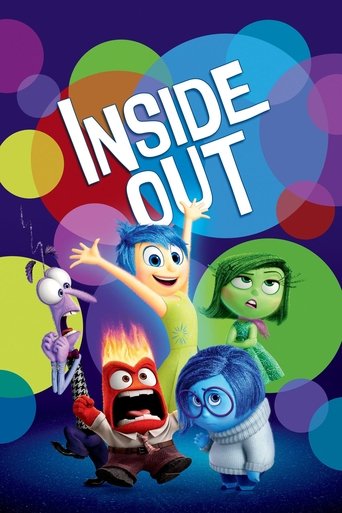 ★ 7.9
 ★ 8.0
 ★ 8.2
 ★ 7.8
 ★ 8.1
 ★ 8.0
 ★ 7.9
 ★ 7.7
 ★ 7.8
 ★ 7.8
 ★ 7.1
 ★ 7.6
MarvelMarvel Studios
See all (13)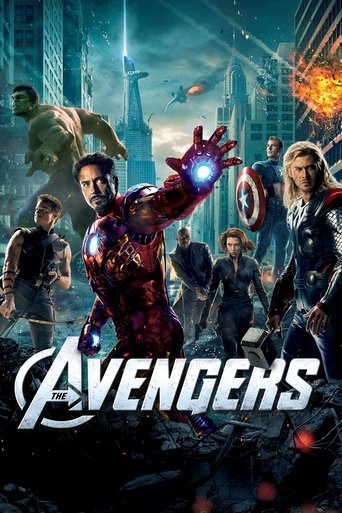 ★ 8.1
 ★ 8.2
 ★ 7.9
 ★ 8.2
 ★ 7.7
 ★ 7.3
 ★ 7.5
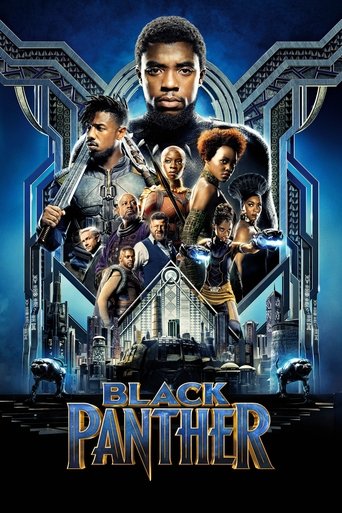 ★ 7.4
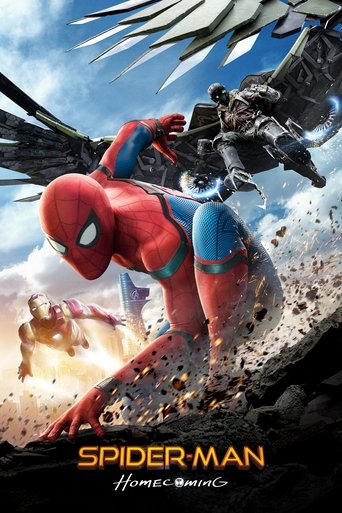 ★ 7.3
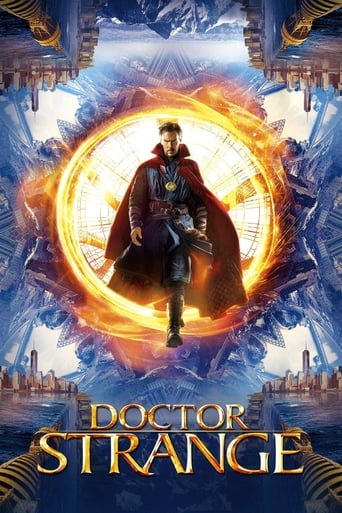 ★ 7.4
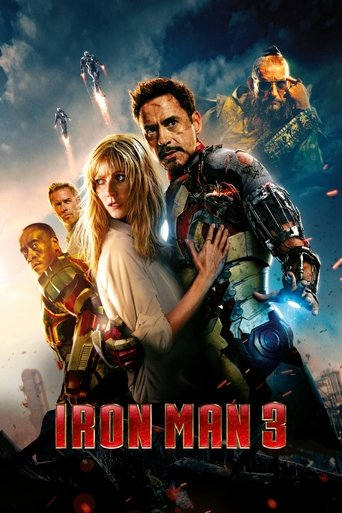 ★ 6.9
 ★ 7.6
Warner Bros.Warner Bros. Pictures
See all (13) ★ 8.4
 ★ 7.9
 ★ 8.3
 ★ 7.6
 ★ 7.7
 ★ 8.0
 ★ 7.8
 ★ 8.1
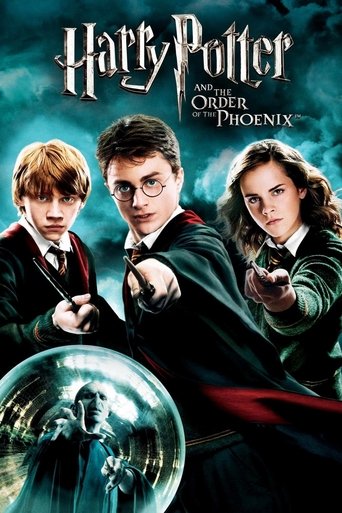 ★ 7.7
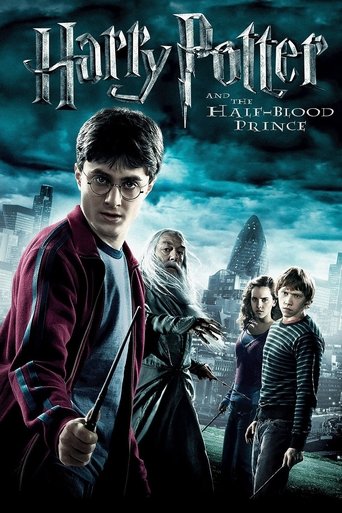 ★ 7.7
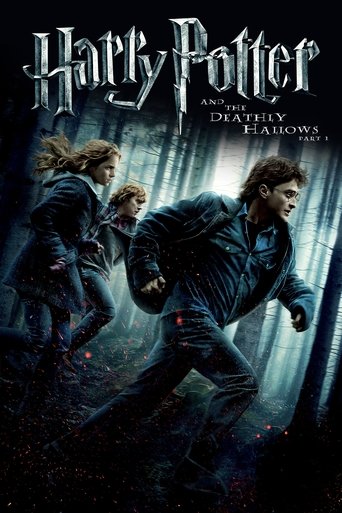 ★ 7.7
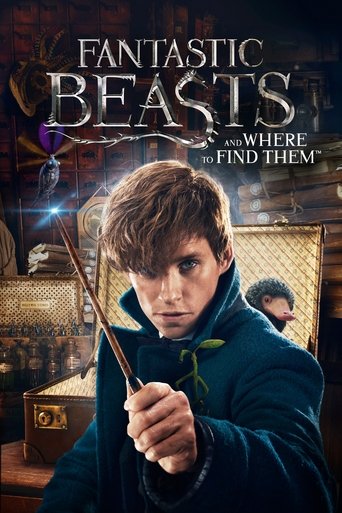 ★ 7.3
New LineNew Line Cinema
See all (13)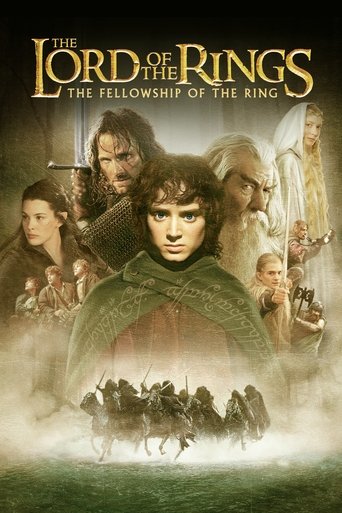 ★ 8.4
 ★ 8.5
 ★ 8.4
 ★ 8.4
 ★ 7.2
 ★ 7.4
 ★ 7.3
 ★ 7.6
 ★ 7.9
 ★ 7.5
 ★ 8.3
 ★ 7.9
DCDC films
See all (13)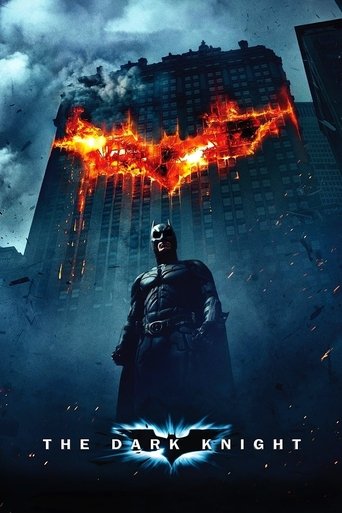 ★ 8.5
 ★ 8.1
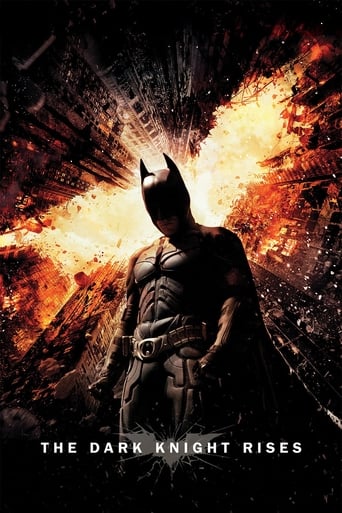 ★ 7.8
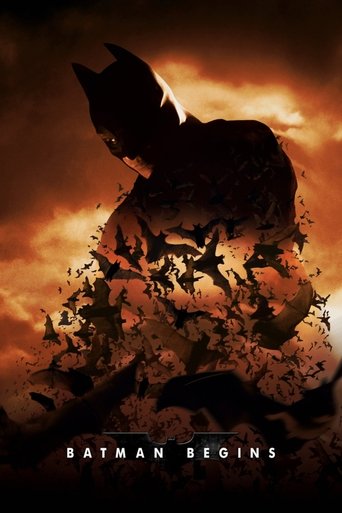 ★ 7.7
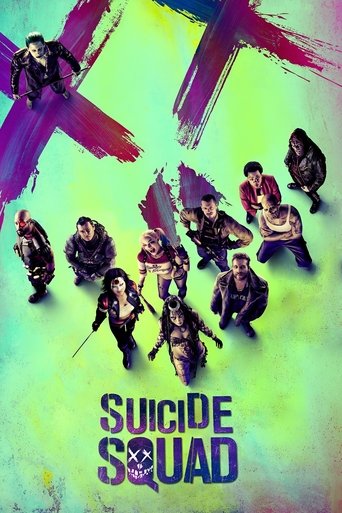 ★ 5.9
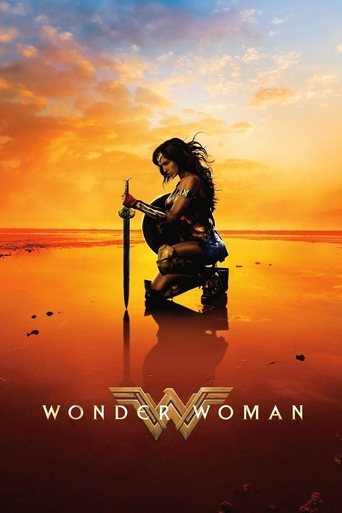 ★ 7.2
 ★ 6.0
 ★ 6.7
 ★ 6.9
 ★ 6.1
 ★ 7.7
 ★ 8.1
UniversalUniversal Pictures
See all (13)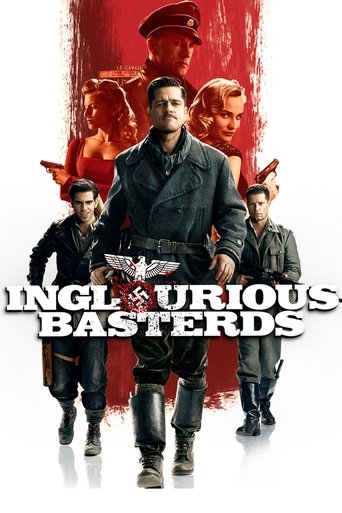 ★ 8.2
 ★ 8.3
 ★ 6.7
 ★ 8.2
 ★ 8.0
 ★ 7.8
 ★ 8.2
 ★ 6.5
 ★ 6.5
 ★ 7.5
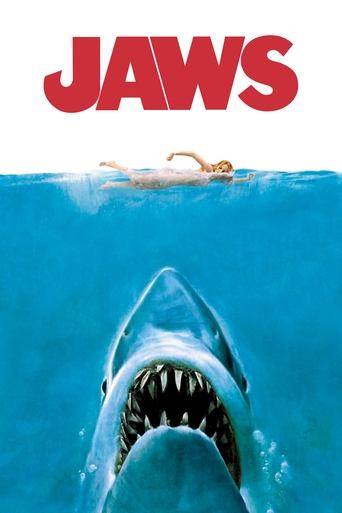 ★ 7.7
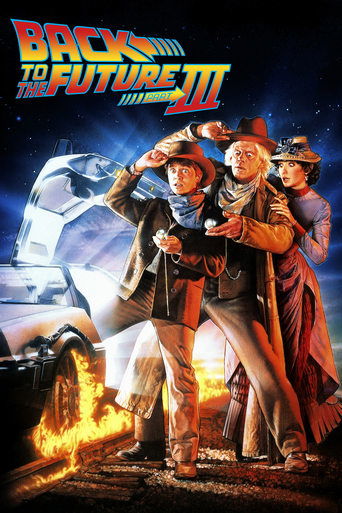 ★ 7.5
IlluminationIllumination
See all (12)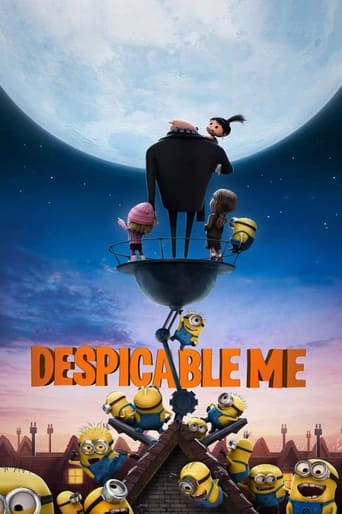 ★ 7.3
 ★ 7.0
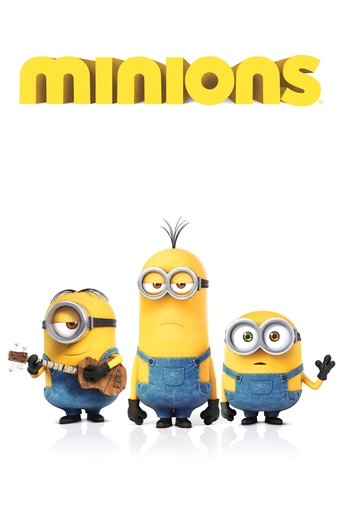 ★ 6.4
 ★ 6.3
 ★ 7.1
 ★ 6.5
 ★ 7.8
 ★ 6.9
 ★ 7.3
 ★ 6.5
 ★ 6.9
 ★ 5.8
FocusFocus Features
See all (13)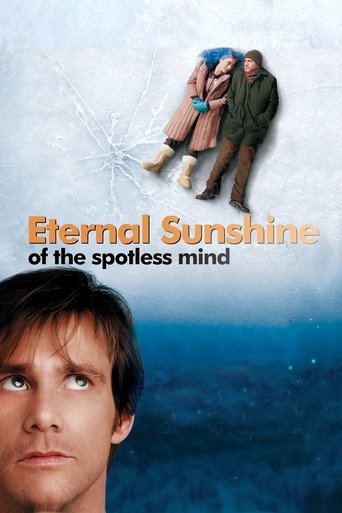 ★ 8.1
 ★ 5.9
 ★ 8.1
 ★ 7.4
 ★ 7.8
 ★ 6.4
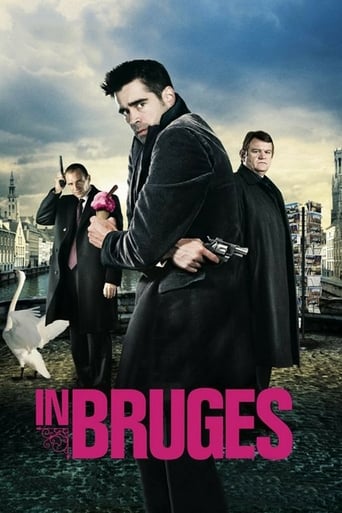 ★ 7.5
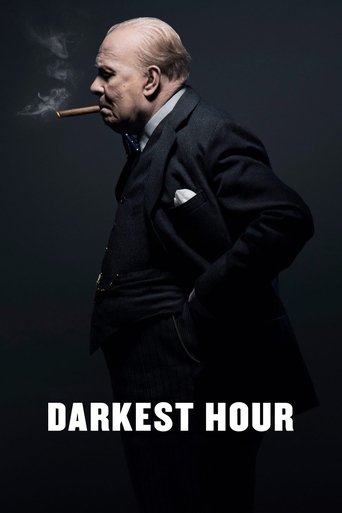 ★ 7.4
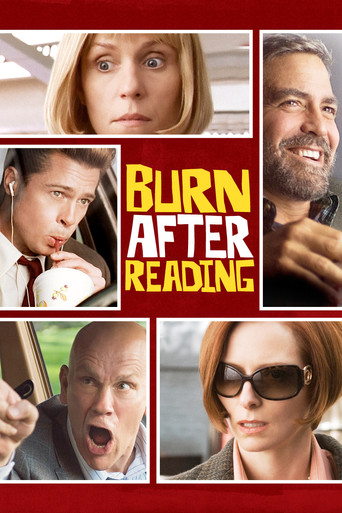 ★ 6.7
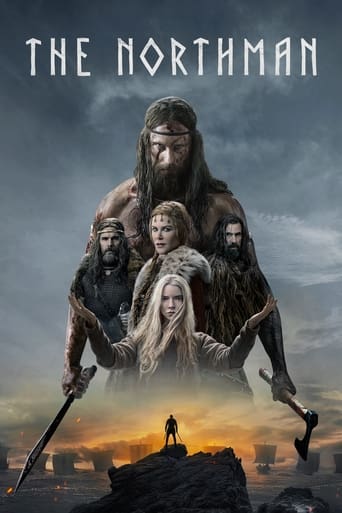 ★ 7.0
 ★ 7.4
 ★ 7.3
ParamountParamount Pictures
See all (13)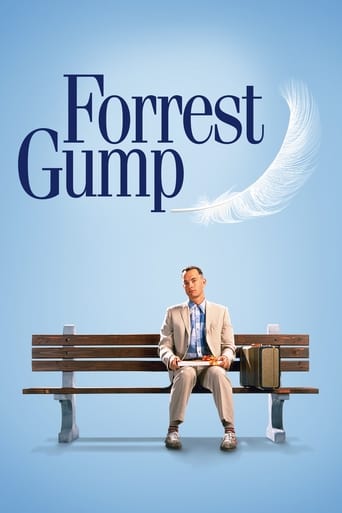 ★ 8.5
 ★ 7.9
 ★ 8.2
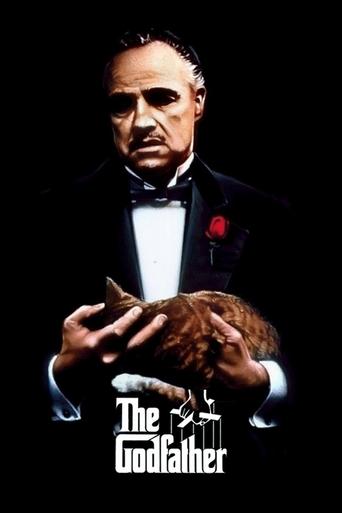 ★ 8.7
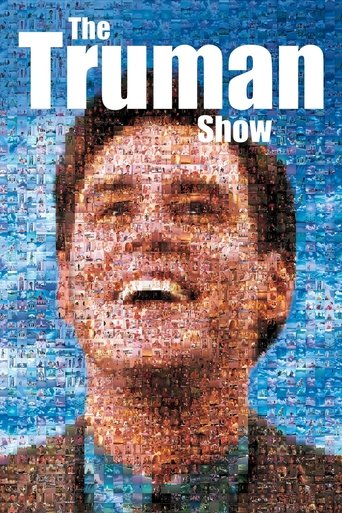 ★ 8.2
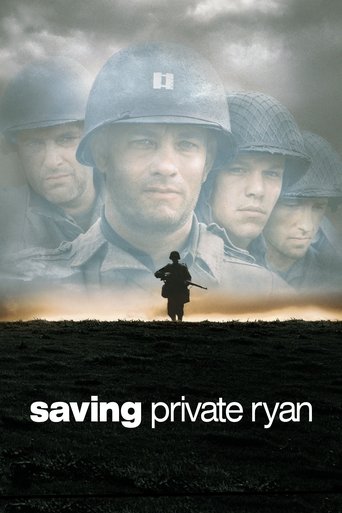 ★ 8.2
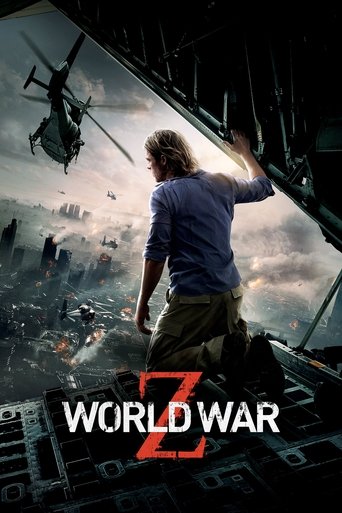 ★ 6.9
 ★ 7.4
 ★ 8.6
 ★ 7.6
 ★ 7.9
 ★ 6.8
ColumbiaColumbia Pictures
See all (13)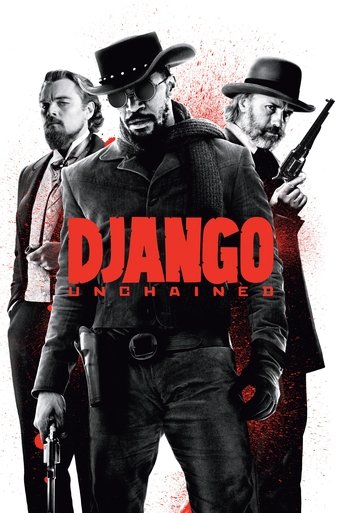 ★ 8.2
 ★ 7.4
 ★ 6.8
 ★ 6.8
 ★ 7.3
 ★ 7.3
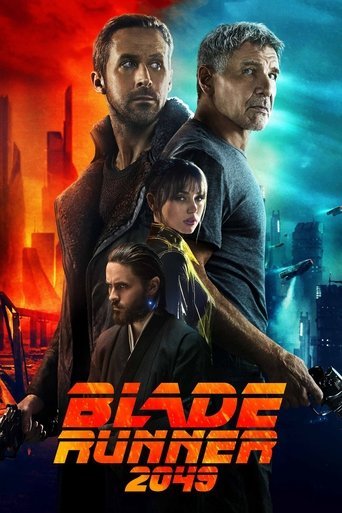 ★ 7.6
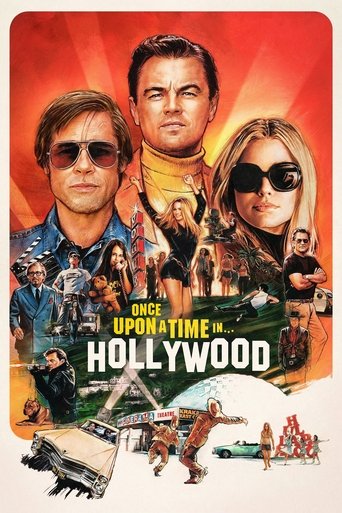 ★ 7.4
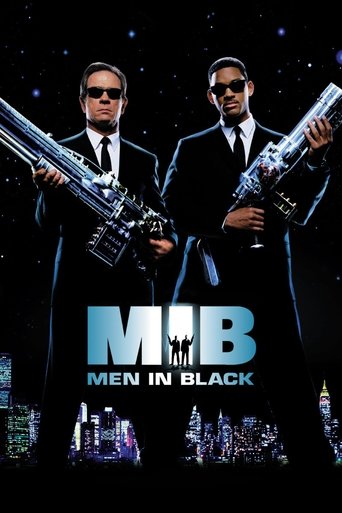 ★ 7.2
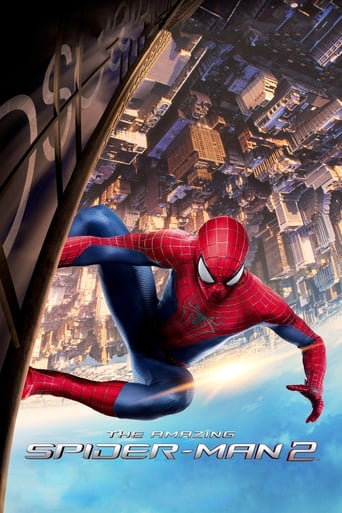 ★ 6.6
 ★ 6.8
 ★ 7.0
Sony AnimationSony Pictures Animation
See all (13)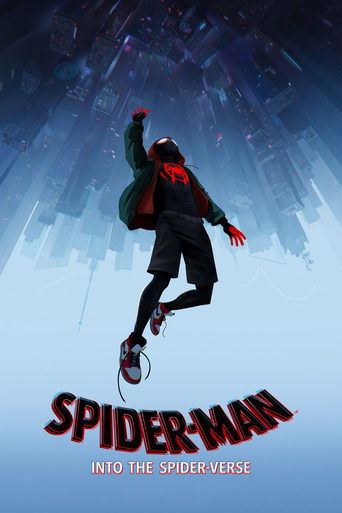 ★ 8.4
 ★ 7.0
 ★ 6.7
 ★ 6.8
 ★ 6.8
 ★ 5.8
 ★ 6.3
 ★ 6.5
 ★ 7.8
 ★ 5.4
 ★ 7.0
 ★ 6.2
The Oligopoly guide
Oligopoly: the films of the Hollywood studio oligopoly
Join the Oligopoly
In economics, an oligopoly is a market held by a handful of sellers, large enough to shape prices and tastes for everyone else. Hollywood is the textbook example. For most of a century a small group of studios has made and released the films that fill cinemas around the world, and in the 2020s that group is usually called the Big Five: the Walt Disney Company, Warner Bros. Discovery, NBCUniversal, Paramount and Sony. Oligopoly was the name of a film and television app of 2022 at olgply.com, whose motto was simply "Join the Oligopoly". This guide takes the joke at its word and builds a whole site on it: a tour of the oligopoly through twelve of its studio labels, with the most voted films of each, 155 films in all, each with its English synopsis, its cast, its director and a Watch now button that opens it on JustWatch.
The twelve labels are grouped in four families, one per corporate owner, with Paramount and Sony sharing the fourth. The family Disney holds Walt Disney Pictures, Pixar and Marvel Studios. The family Warner Bros. Discovery holds Warner Bros. Pictures, New Line Cinema and the DC films. The family NBCUniversal holds Universal Pictures, Illumination and Focus Features. And the family Paramount and Sony holds Paramount Pictures, Columbia Pictures and Sony Pictures Animation. The guide Join the Oligopoly explains the idea, and the guide Start with Oligopoly picks one film from each family for a first evening.
The 155 films together carry about 2.59 million votes on TMDB, with an average rating of 7.42, much higher than in most guides, because the most voted films of the big studios are often their most loved. Thirty-seven of them reach a rating of 8 or more, from The Godfather, at 8.7, to Up, Toy Story, Jurassic Park and Harry Potter and the Prisoner of Azkaban, at 8.0. The oldest film is The Godfather, of 1972, and the newest are the films of 2022, from The Batman and The Northman to Minions: The Rise of Gru.
The app of 2022
The Wayback Machine keeps copies of olgply.com from March to November 2022, and because the archive also saved the scripts of the app, the old home page still opens. It looks like a phone app stretched across a screen. The page is off-white, set in the Inter typeface. At the top, the word Oligopoly appears as a large light title, with a round grey avatar on the right, and under it a white search box with fully rounded ends invites you to search for movies, shows and genres. Then comes a strip called Featured Titles, with wide cards with rounded corners and the title and genres in white over a backdrop image; in the spring of 2022, the first of them was Doctor Who. Below it, rows called Trending Movies and Trending Shows scroll sideways, each with a grey See All link on the right, and at the bottom of the screen a white bar of four icons leads to Home, Browse, Saved and a menu.
The trending films of that spring are a snapshot of the oligopoly at work: The Batman, Uncharted, the third Spider-Man film with Tom Holland, Ambulance, Sonic the Hedgehog 2, Moonfall, Death on the Nile, the third Fantastic Beasts film, Doctor Strange in the Multiverse of Madness, Turning Red, The Northman, Morbius and the coming Thor: Love and Thunder, almost all of them from the five companies of this guide. The Batman and The Northman are on its shelves, for DC and for Focus Features. The page even carried a joke in its code, naming Patrick Bateman, the banker of American Psycho, as its author.
This guide keeps that look: the off-white page and the Inter type, the large light title, the rounded search box, the strip of featured cards, which here presents the twelve studios, and the rows of rounded posters with soft shadows that scroll sideways, each with a See all link. Behind each poster there is a full film page with the synopsis, the cast and the Watch now button, which opens JustWatch, the service that shows where the film can be streamed, rented or bought in your country. The guide The app of 2022 describes the capture in detail.
How the shelves work
Each of the twelve shelves belongs to one studio label. To build it, the guide takes the TMDB films released up to 2022 whose production companies include that label, sets aside documentaries and films shorter than an hour, and keeps the thirteen most voted. Illumination, the youngest studio of the guide, is the one exception: up to 2022 it had released twelve feature films, and its shelf holds all twelve.
Many films are credited to more than one studio. Pixar films often credit Walt Disney Pictures too, the Batman films of Christopher Nolan credit both DC and Warner Bros., and Spider-Man: Homecoming credits both Marvel Studios and Columbia Pictures. The rule is simple: when a film is credited to one of the specialised labels, Pixar, Marvel Studios, DC, New Line Cinema, Illumination, Focus Features or Sony Pictures Animation, it goes to that label; otherwise it goes to the major studio listed first in its credits. So each film appears on exactly one shelf, and the name of its studio appears on its card. The guide How the shelves work sums up the rules.
Disney
The first family, Disney, is the largest of the oligopoly. Over two decades the Walt Disney Company bought Pixar in 2006, Marvel Entertainment in 2009, Lucasfilm in 2012 and most of 21st Century Fox in 2019, and by the 2020s it released more of the biggest hits of the year than any rival. Its three shelves hold about 825,000 votes, the most of any family, with an average of 7.57. The guide Disney sums it up.
Walt Disney Pictures
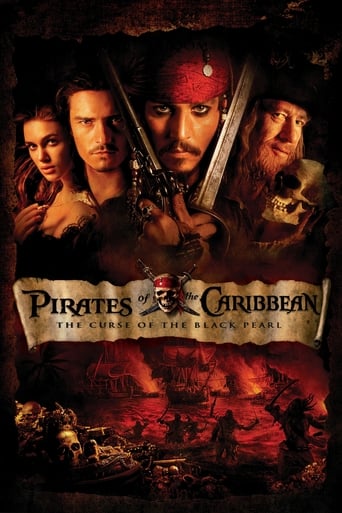
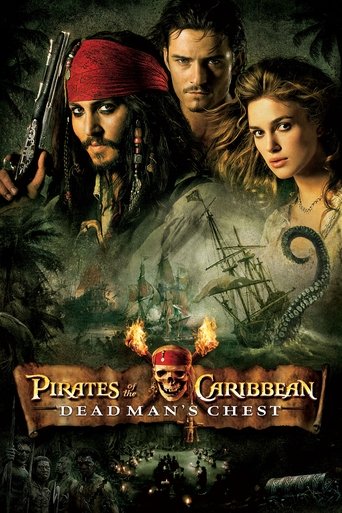
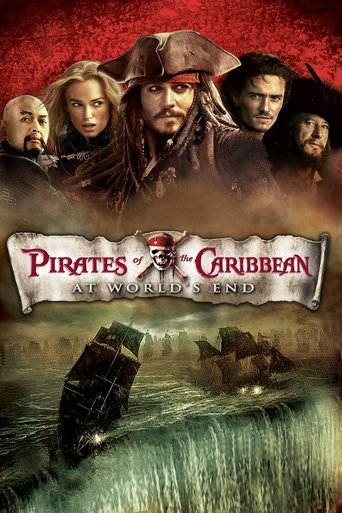
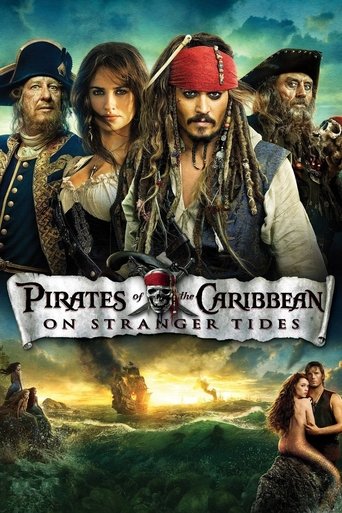
The shelf Walt Disney Pictures holds the films released under the name of the studio itself, both its animated features and its live-action adventures, from 1994 to 2017. The most voted is Pirates of the Caribbean: The Curse of the Black Pearl, of 2003, by Gore Verbinski, with Johnny Depp as Captain Jack Sparrow, a film based on a theme park ride that became a saga of five films; three of its sequels are here too, the two directed by Verbinski in 2006 and 2007 and Pirates of the Caribbean: On Stranger Tides, of 2011, by Rob Marshall. The best rated is The Lion King, of 1994, with an 8.3, the story of the lion cub Simba, the high point of the animation revival of the studio in the 1990s.
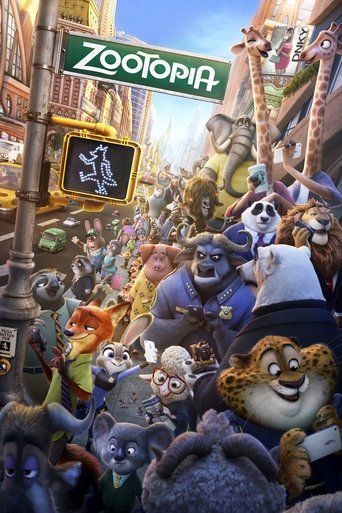
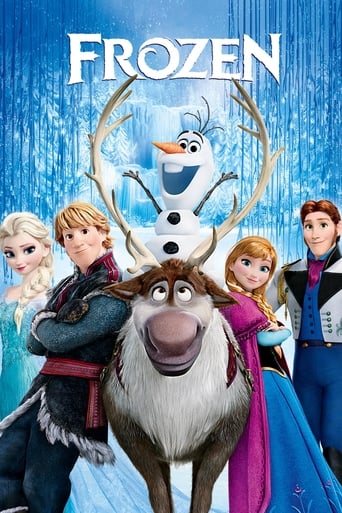
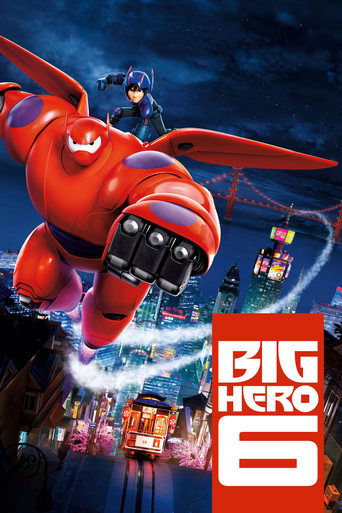
The animated features of the 2010s, made by Walt Disney Animation Studios, are the core of the shelf: Frozen, of 2013, the story of two royal sisters, one of them able to create ice, which became the most successful animated film of its time; Zootopia, of 2016, a detective story in a city of animals, with a 7.8; Big Hero 6, of 2014, a boy and his inflatable robot in San Fransokyo; Moana, of 2016, a girl of the Pacific islands who sails beyond the reef, and Wreck-It Ralph, of 2012, a video game villain who wants to be a hero.
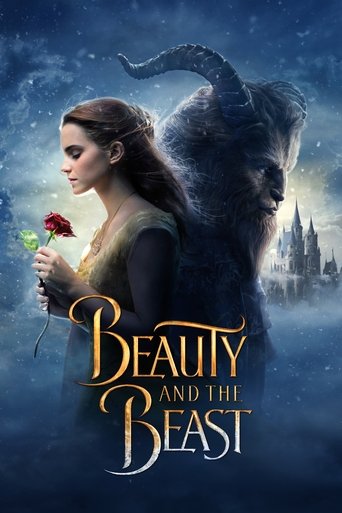
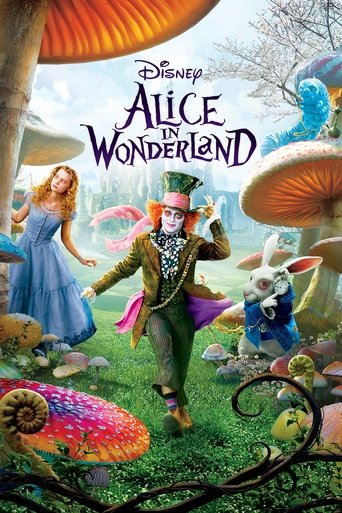
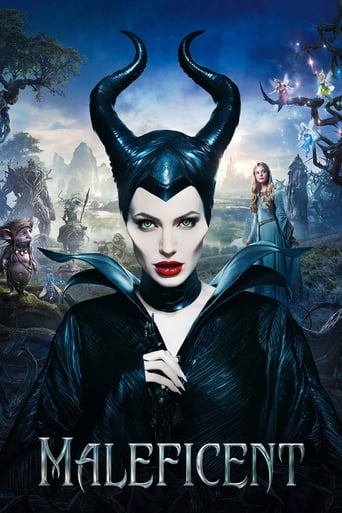
The live-action remakes and fairy tales complete it: Beauty and the Beast, of 2017, by Bill Condon, with Emma Watson; Alice in Wonderland, of 2010, by Tim Burton, with Mia Wasikowska and Johnny Depp as the Mad Hatter, and Maleficent, of 2014, with Angelina Jolie as the fairy of Sleeping Beauty, told from her side of the story.
Pixar
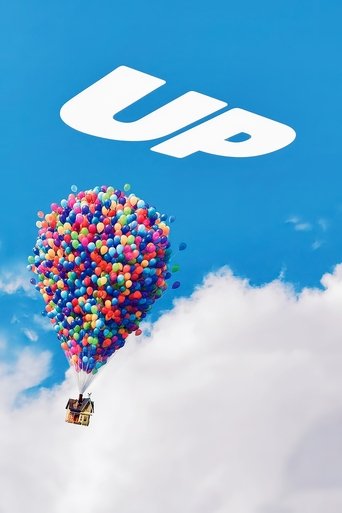
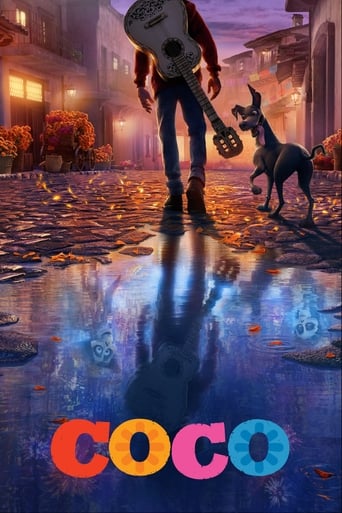
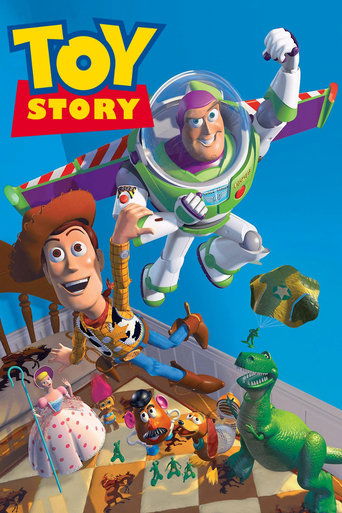
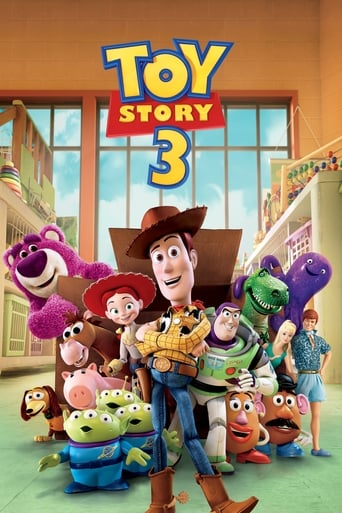
The shelf Pixar is one of the best rated of the guide, with an average of 7.77 and four films rated 8 or more. It begins with Toy Story, of 1995, by John Lasseter, the first feature film made entirely with computer animation, in which the toys of a boy named Andy come to life when he leaves the room, with the voices of Tom Hanks and Tim Allen; Toy Story 2, of 1999, and Toy Story 3, of 2010, are here too. The most voted film of the shelf is Inside Out, of 2015, by Pete Docter, set inside the mind of an eleven-year-old girl, where her emotions, Joy, Sadness, Anger, Fear and Disgust, run the control room; the best rated is Coco, of 2017, by Lee Unkrich, with an 8.2, a boy who travels to the Land of the Dead during the Day of the Dead in Mexico.
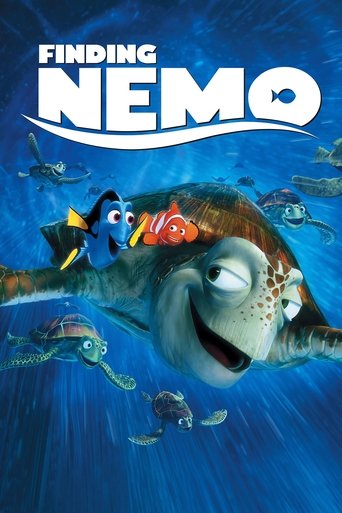
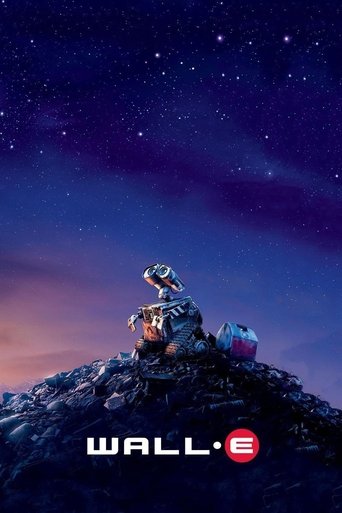
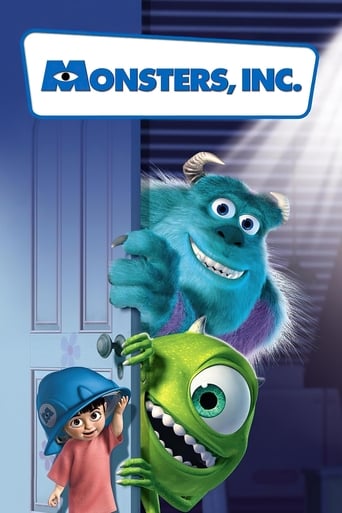
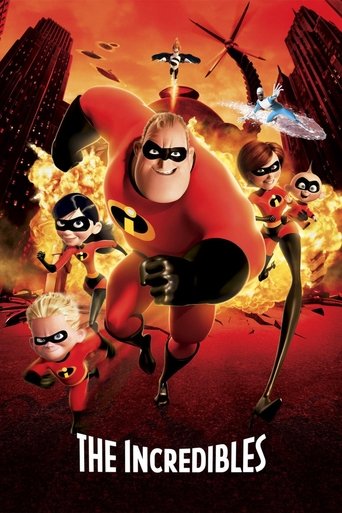
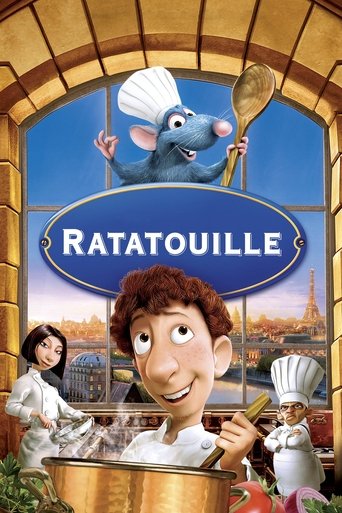
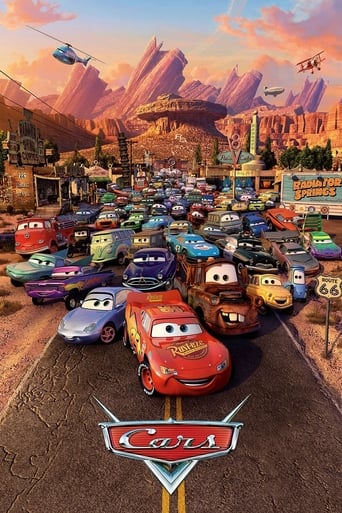
Pete Docter directed three films of the shelf, Inside Out, Up, of 2009, the story of an old widower who ties thousands of balloons to his house to fly to South America, and the film of 2001 about the monsters who scare children for a living. Andrew Stanton directed two, Finding Nemo, of 2003, and WALL·E, of 2008, with an 8.1, the lonely robot who cleans an abandoned Earth; Brad Bird directed two more, The Incredibles, of 2004, a family of superheroes in hiding, and Ratatouille, of 2007, a rat who dreams of being a chef in Paris. Cars, of 2006, by John Lasseter, and Brave, of 2012, a Scottish princess who defies tradition, close the shelf.
Marvel Studios
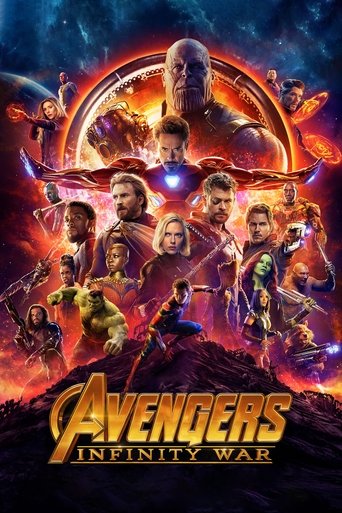
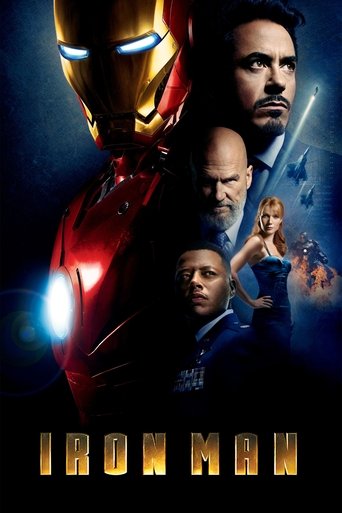
The shelf Marvel Studios is the most voted shelf of the guide, with about 355,000 votes, and all thirteen of its films belong to the Marvel Cinematic Universe, the series of connected films that began with Iron Man, of 2008, by Jon Favreau, with Robert Downey Jr. as Tony Stark. Downey appears in eight of the thirteen films of the shelf. The most voted is The Avengers, of 2012, by Joss Whedon, the first film to gather the heroes of the earlier films, with about 40,000 votes, second in the whole guide only to Inception. The best rated are Avengers: Infinity War, of 2018, and Avengers: Endgame, of 2019, by the brothers Anthony and Joe Russo, both with an 8.2, the two halves of the war against Thanos.
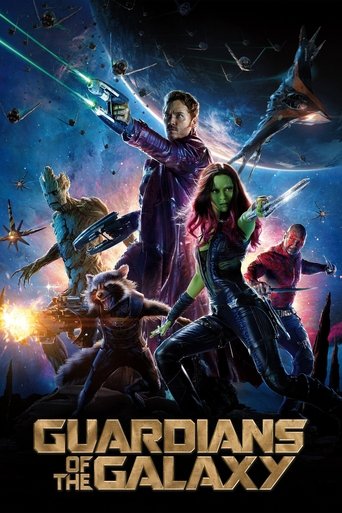
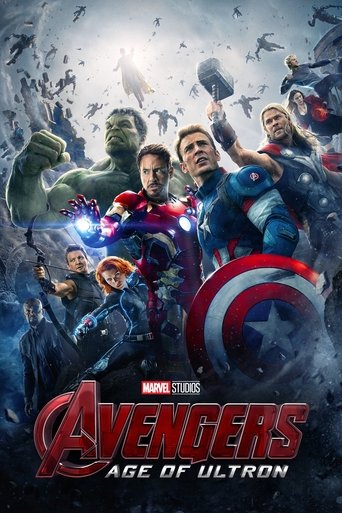
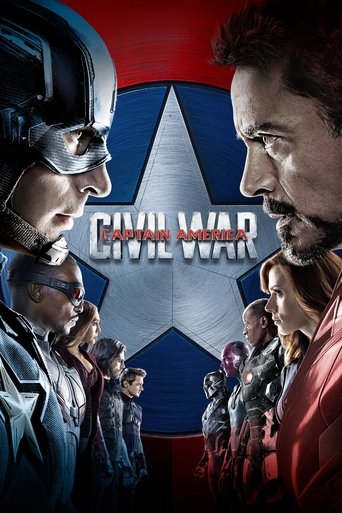
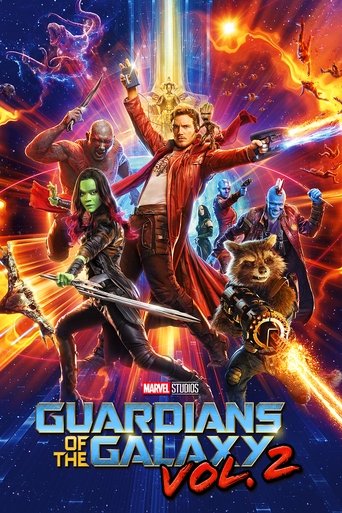
The Russos also made Captain America: Civil War, of 2016, in which the heroes split into two camps, and Joss Whedon made Avengers: Age of Ultron, of 2015. James Gunn directed the two Guardians films, Guardians of the Galaxy, of 2014, a band of outlaws in space set to the songs of the 1970s, and its sequel of 2017. Black Panther, of 2018, by Ryan Coogler, with Chadwick Boseman, became the first superhero film nominated for the Academy Award for best picture; Doctor Strange, of 2016, with Benedict Cumberbatch, opened the mystic side of the series, and Spider-Man: Homecoming, of 2017, with Tom Holland, made by Marvel Studios with Columbia Pictures, brought Spider-Man into the universe. Iron Man 3, of 2013, and Captain America: The First Avenger, of 2011, complete the shelf.
Warner Bros. Discovery
The second family, Warner Bros. Discovery, takes its name from the company formed in April 2022, the year of the Oligopoly app, when WarnerMedia merged with Discovery. Its three shelves hold about 821,000 votes, a whisker behind Disney, and the best average of the four families, 7.64. Two great sagas of the 2000s, Harry Potter and The Lord of the Rings, live here, together with the Batman films of Christopher Nolan. The guide Warner Bros. Discovery sums it up.
Warner Bros. Pictures
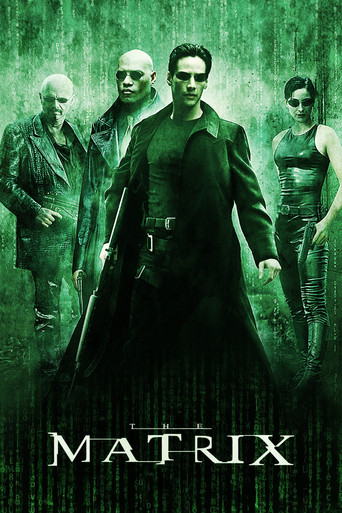
The shelf Warner Bros. Pictures shares the best average of the guide, 7.875, with Paramount Pictures, and it holds the most voted film of all: Inception, of 2010, by Christopher Nolan, with Leonardo DiCaprio as a thief who steals secrets from inside dreams and is asked for once to plant an idea, with about 40,500 votes and a rating of 8.4. The oldest film of the shelf is The Shining, of 1980, by Stanley Kubrick, with Jack Nicholson as the writer who goes mad in an empty hotel in the mountains, with an 8.2, and The Matrix, of 1999, by the Wachowskis, with Keanu Reeves, an 8.3, changed the look of action cinema with its bullet time.
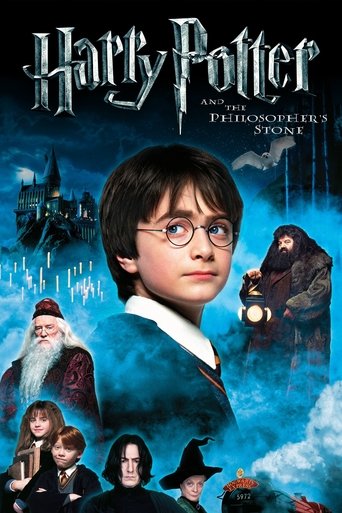
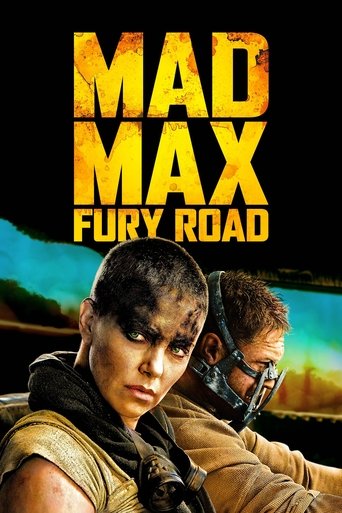
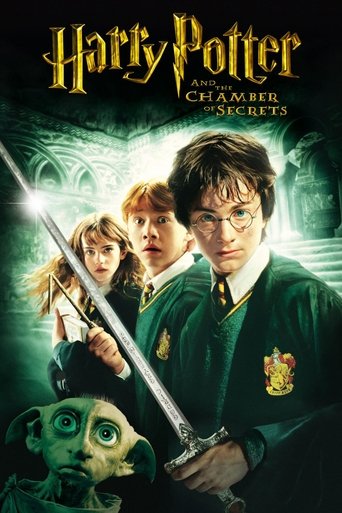
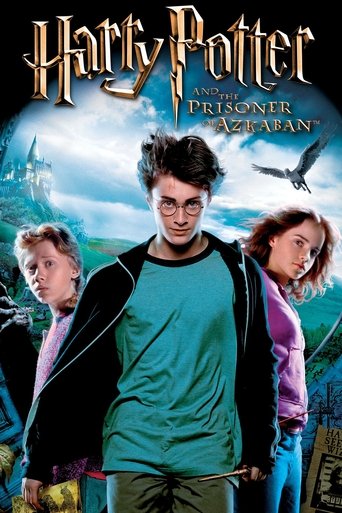
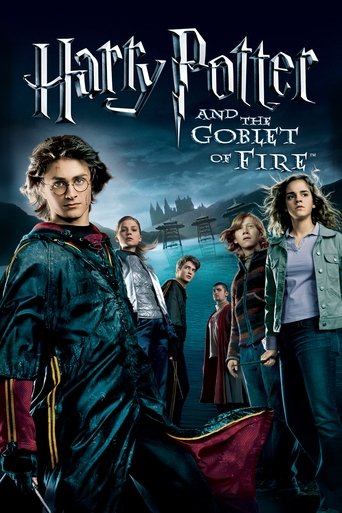
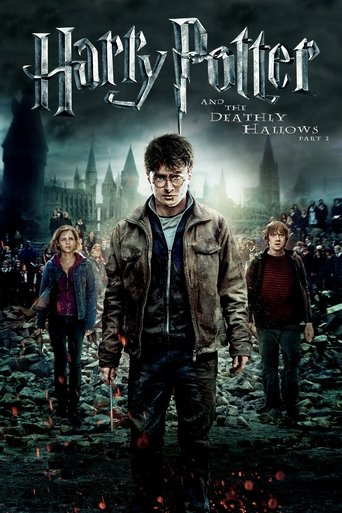
All eight Harry Potter films are on the shelf, from the first, by Chris Columbus, in 2001, to Harry Potter and the Deathly Hallows: Part 2, by David Yates, in 2011, with an 8.1, the best rated of the series. Yates directed the last four, and the spin-off Fantastic Beasts and Where to Find Them, of 2016, with Eddie Redmayne, a fifth film of his here. Alfonso Cuarón directed Harry Potter and the Prisoner of Azkaban, of 2004, with an 8.0, often called the most beautiful of the series, and Mike Newell Harry Potter and the Goblet of Fire, of 2005. The thirteenth film of the shelf is Mad Max: Fury Road, of 2015, by George Miller, with Tom Hardy and Charlize Theron as Furiosa, a chase across the desert that won six Academy Awards.
New Line Cinema
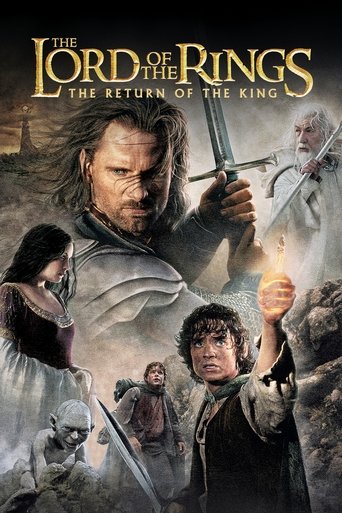
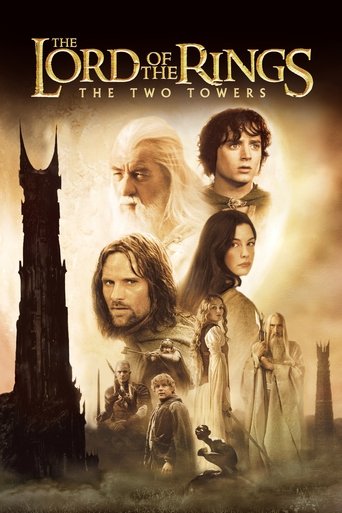
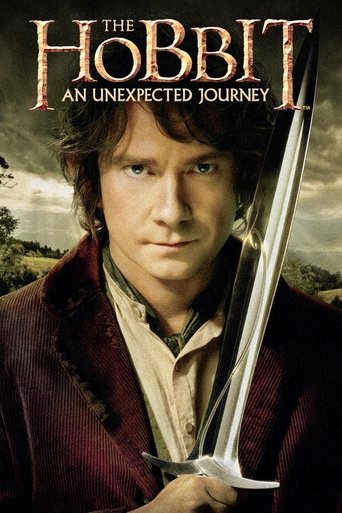
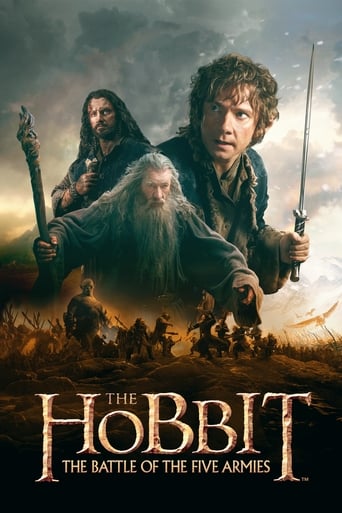
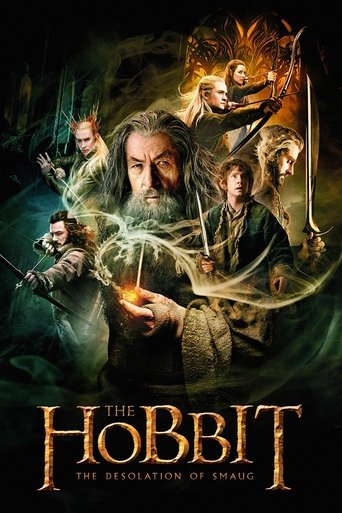
The shelf New Line Cinema belongs to the independent studio founded in New York in 1967, which became part of Time Warner in the 1990s and a unit of Warner Bros. in 2008. Its average is 7.85, the third best of the guide, and it has five films rated above 8. Six of its films are by Peter Jackson: the three Lord of the Rings films, from The Lord of the Rings: The Fellowship of the Ring, of 2001, the most voted film of the shelf, to The Lord of the Rings: The Return of the King, of 2003, the best rated, with an 8.5, winner of eleven Academy Awards including best picture; and the three Hobbit films, from 2012 to 2014, shot like the first trilogy in New Zealand.
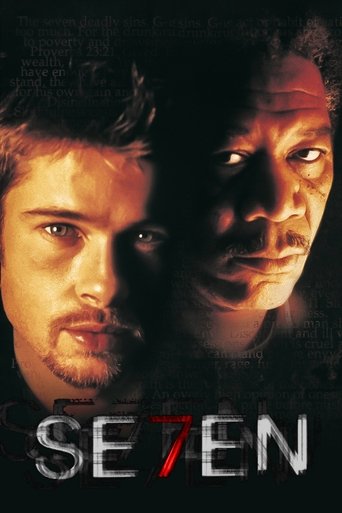
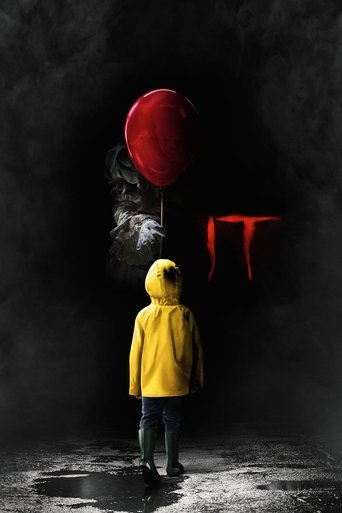
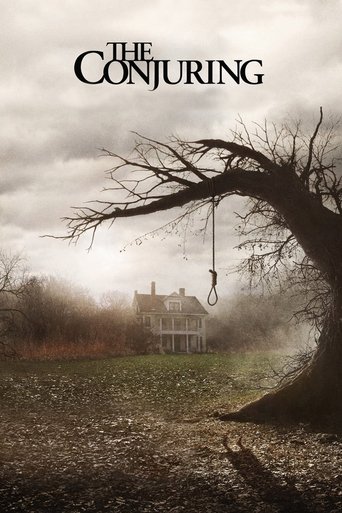
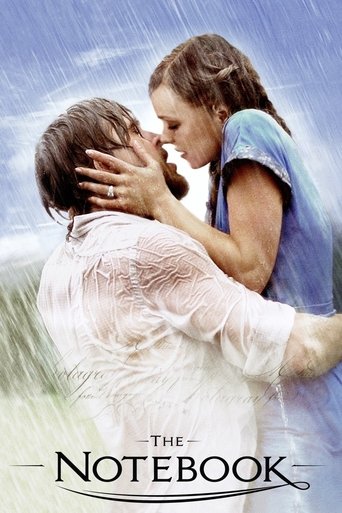
Before the hobbits, New Line was the home of bold genre films. Se7en, of 1995, by David Fincher, with Morgan Freeman and Brad Pitt, two detectives on the trail of a killer who follows the seven deadly sins, carries an 8.4; American History X, of 1998, by Tony Kaye, with Edward Norton, an 8.3, follows a former neo-Nazi; and The Mask, of 1994, with Jim Carrey, a bank clerk who finds a magic mask, the oldest film of the shelf. Horror and romance complete the shelf: The Conjuring, of 2013, by James Wan, with Vera Farmiga and Patrick Wilson as the paranormal investigators Ed and Lorraine Warren; It, of 2017, by Andy Muschietti, from the novel by Stephen King, about a group of children and a clown in the sewers of a small town in Maine; The Notebook, of 2004, with Ryan Gosling and Rachel McAdams, and Me Before You, of 2016, with Emilia Clarke, both with a 7.9.
DC films
The shelf DC films gathers the films made from the comics of DC, the publisher of Batman, Superman and Wonder Woman, which has belonged to Warner since 1969. Its most voted and best rated film is The Dark Knight, of 2008, by Christopher Nolan, with Christian Bale as Batman and Heath Ledger as the Joker, with an 8.5 and about 37,000 votes; Ledger won a posthumous Academy Award for the role. Nolan made the whole trilogy, from Batman Begins, of 2005, the oldest film of the shelf, to The Dark Knight Rises, of 2012, so that with Inception he directed four films of the family.
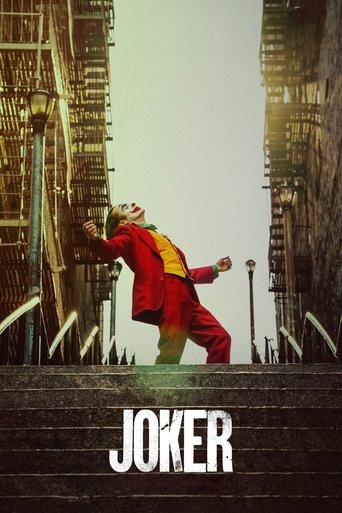
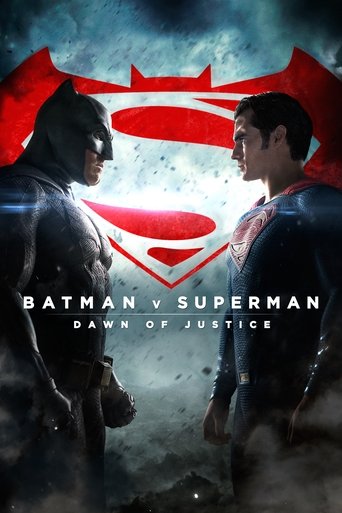
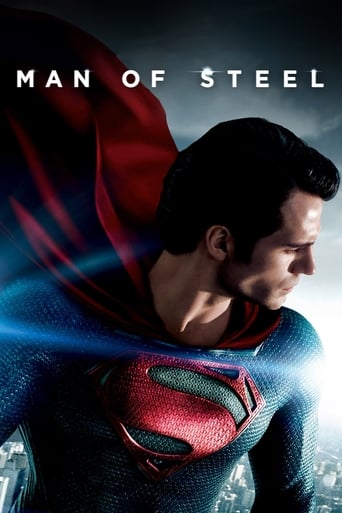
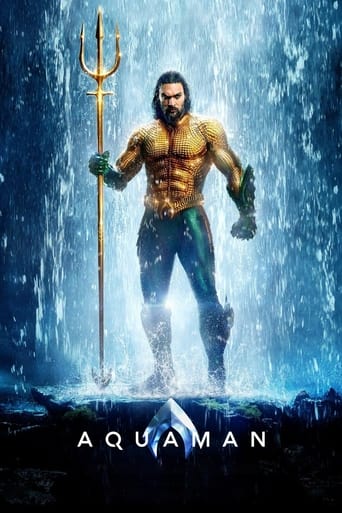
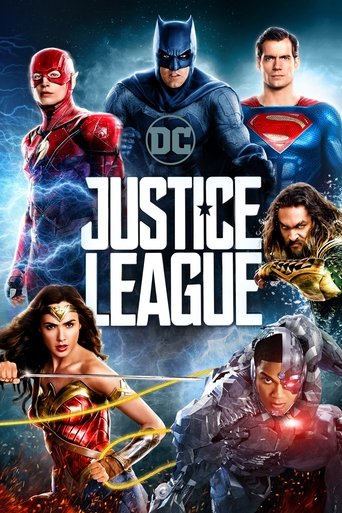
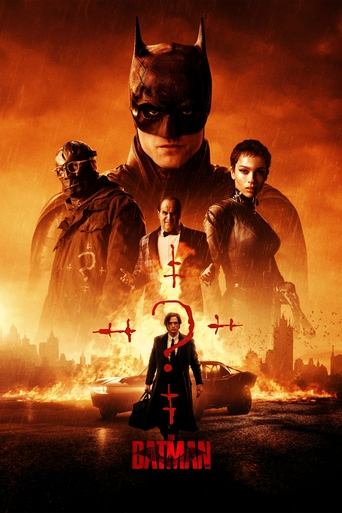
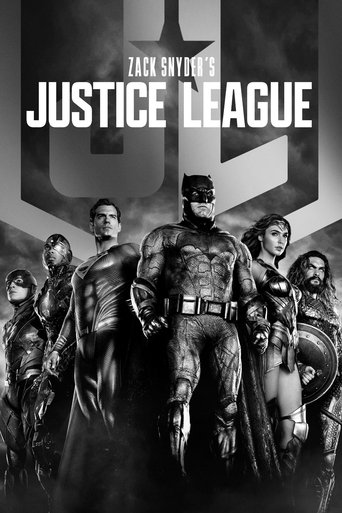
Two films of the shelf take a darker look at the comic book world: Joker, of 2019, by Todd Phillips, with Joaquin Phoenix as a failed comedian in a decaying Gotham, the first comic book film to win the Golden Lion at Venice, with an 8.1, and The Batman, of 2022, by Matt Reeves, with Robert Pattinson, a detective story in the rain. Zack Snyder directed four films of the universe that began with Man of Steel, of 2013, with Henry Cavill as Superman: the battle of the two heroes in 2016, Justice League, of 2017, finished by Joss Whedon, and his own version of that film, released in 2021, which at 242 minutes is the longest film of the guide and carries an 8.1. Wonder Woman, of 2017, by Patty Jenkins, with Gal Gadot; Aquaman, of 2018, by James Wan, with Jason Momoa, and Suicide Squad, of 2016, a team of villains led by Will Smith and Margot Robbie, the lowest rated film of the shelf at 5.9, complete it with the Harley Quinn film of 2020.
NBCUniversal
The third family, NBCUniversal, is the film side of the media group owned by Comcast, the American cable company that took control of NBCUniversal in 2011. Its three shelves hold about 397,000 votes, the fewest of the four families, because two of its labels are young or specialised, and an average of 7.2. It is also the family with the widest range: blockbusters from Steven Spielberg, the Minions and the art-house films of Focus Features. The guide NBCUniversal sums it up.
Universal Pictures
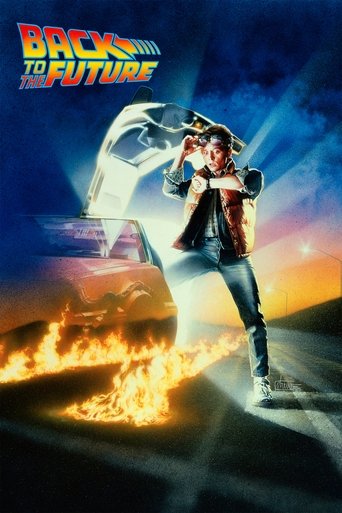
The shelf Universal Pictures belongs to a studio founded in 1912, the same year as the company that grew into Paramount, whose logo is a globe turning in space. It runs from 1975 to 2018 and holds five films rated above 8. Its most voted film is Inglourious Basterds, of 2009, by Quentin Tarantino, with Brad Pitt and Christoph Waltz, an alternate history of the Second World War, made with the Weinstein Company, and its best rated is Back to the Future, of 1985, by Robert Zemeckis, with Michael J. Fox as the teenager sent back to 1955 in a time machine built into a DeLorean, with an 8.3; the two sequels, of 1989 and 1990, are here too.
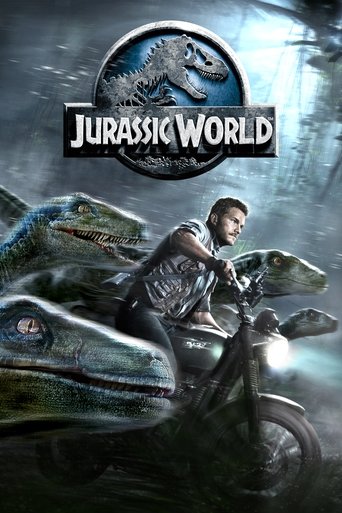
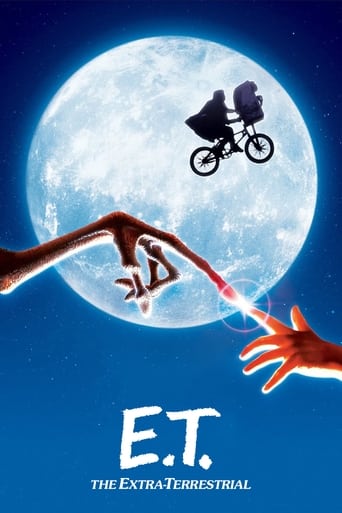
Steven Spielberg directed three films of the shelf, each a landmark of the studio. Jaws, of 1975, the oldest film of the shelf, the story of a great white shark off a summer resort, is often called the first summer blockbuster; E.T. the Extra-Terrestrial, of 1982, is the friendship of a boy and a stranded alien, and Jurassic Park, of 1993, with an 8.0, brought dinosaurs back to life with computer effects. Its revival, Jurassic World, of 2015, with Chris Pratt, is the third most voted film of the shelf, followed by Jurassic World: Fallen Kingdom in 2018.
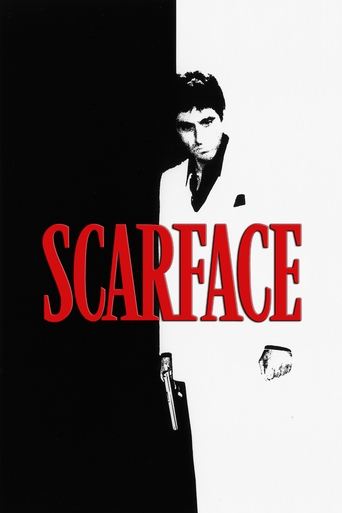
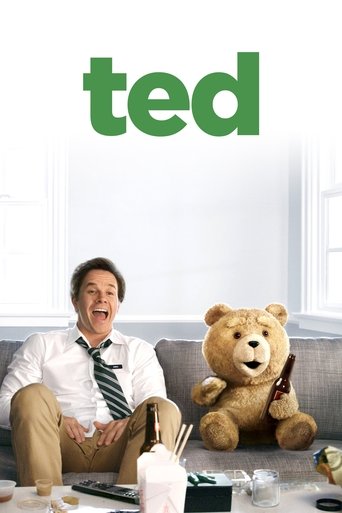
The rest of the shelf mixes epics and crime. Gladiator, of 2000, by Ridley Scott, with Russell Crowe as a Roman general reduced to slavery, won the Academy Award for best picture and carries an 8.2; Scarface, of 1983, by Brian De Palma, with Al Pacino as the Cuban refugee Tony Montana who rises in the drug trade of Miami, also an 8.2. Oblivion, of 2013, with Tom Cruise, is a science fiction film about a drone repairman on an abandoned Earth, and Ted, of 2012, by Seth MacFarlane, with Mark Wahlberg, a comedy about a teddy bear who comes to life and grows up into a foul-mouthed slacker.
Illumination
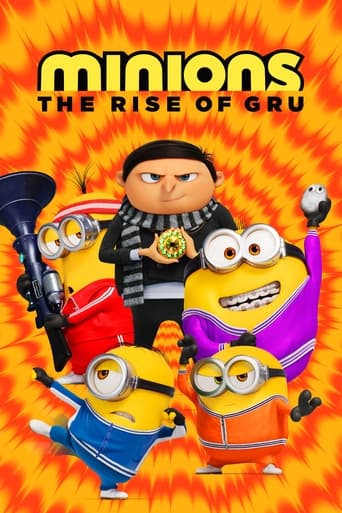
The shelf Illumination holds every feature film of the animation studio founded by Chris Meledandri in 2007 and released through Universal up to 2022, twelve films from 2010 to 2022. They are the films of the Minions, the yellow henchmen in goggles who became the mascots of Universal. It started with Despicable Me, of 2010, the most voted film of the shelf, in which Gru, a villain voiced by Steve Carell, plans to steal the Moon and ends up adopting three orphan girls; Despicable Me 2 followed in 2013 and Despicable Me 3 in 2017, and the henchmen got their own films, Minions, of 2015, and Minions: The Rise of Gru, of 2022, the newest film of the shelf.
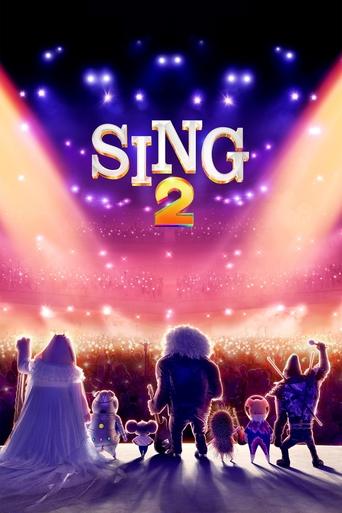
The other films of the studio are just as playful. Sing, of 2016, by Garth Jennings, with the voices of Matthew McConaughey and Reese Witherspoon, is a singing contest among animals in a theatre on the brink of ruin, and Sing 2, of 2021, is the best rated film of the shelf, with a 7.8. The Secret Life of Pets, of 2016, shows what pets do when their owners are away, and returned in 2019; Chris Renaud, who directed or co-directed five of the twelve films, also made The Lorax, of 2012, from Dr. Seuss, the same author as The Grinch, of 2018, with Benedict Cumberbatch. Hop, of 2011, mixes live action and animation in the story of the son of the Easter Bunny, who would rather play the drums.
Focus Features
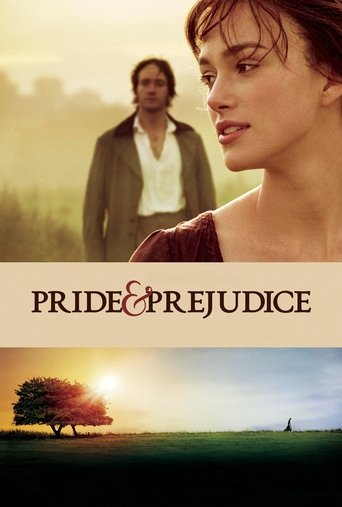
The shelf Focus Features belongs to the specialty label of Universal, formed in 2002 for smaller, more personal films, and it reads like a list of the art-house hits of the last twenty years. Its most voted film is Eternal Sunshine of the Spotless Mind, of 2004, by Michel Gondry, with Jim Carrey and Kate Winslet, a love story told backwards through memories that are being erased, with an 8.1, level with the adaptation of the Jane Austen novel by Joe Wright, of 2005, with Keira Knightley. Joe Wright returns with Darkest Hour, of 2017, which won Gary Oldman the Academy Award for his Winston Churchill.
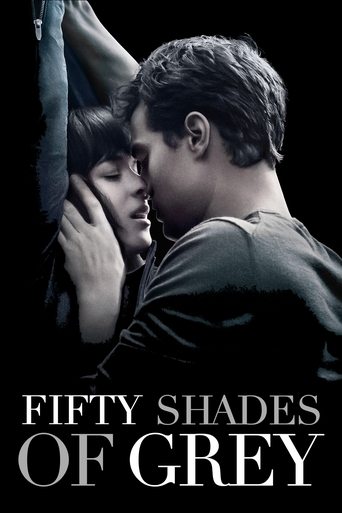
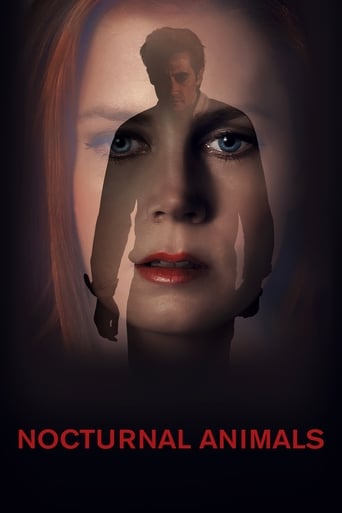
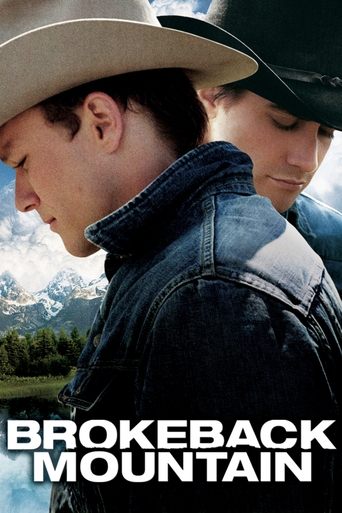
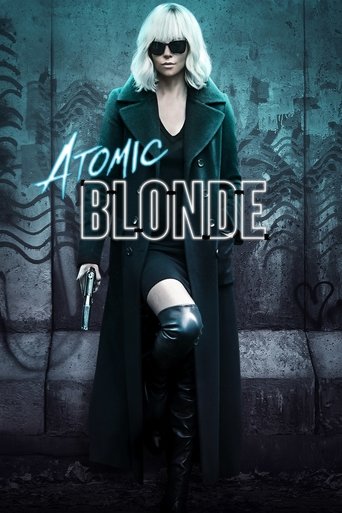
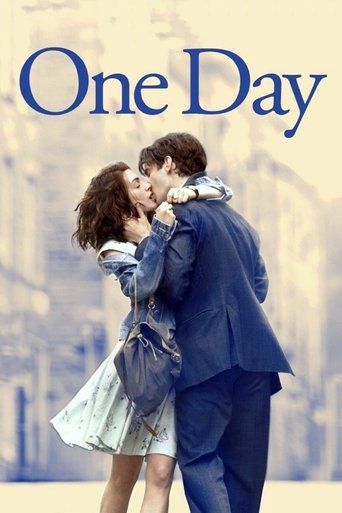
Brokeback Mountain, of 2005, by Ang Lee, with Heath Ledger and Jake Gyllenhaal, the love of two cowboys over twenty years, won Lee the Academy Award for best director. In Bruges, of 2008, by Martin McDonagh, with Colin Farrell and Brendan Gleeson, sends two hitmen to hide in the Belgian town; Burn After Reading, of 2008, by the Coen brothers, is a spy comedy with George Clooney and Brad Pitt; Nocturnal Animals, of 2016, by Tom Ford, with Amy Adams, is a thriller inside a novel. The newer films are Last Night in Soho, of 2021, by Edgar Wright, and The Northman, of 2022, by Robert Eggers, with Alexander Skarsgård, a Viking revenge saga that trended on the Oligopoly app in its first spring. Atomic Blonde, of 2017, with Charlize Theron; One Day, of 2011, with Anne Hathaway; the animated film 9, of 2009, and Fifty Shades of Grey, of 2015, the lowest rated film of the shelf, complete it.
Paramount and Sony
The last family, Paramount and Sony, joins the last two members of the Big Five. Paramount Pictures, with its mountain ringed by stars, belongs to Paramount Global, the company known as ViacomCBS until February 2022; Columbia Pictures, with its lady holding a torch, has belonged to the Japanese group Sony since 1989, together with Sony Pictures Animation. Their three shelves hold about 547,000 votes, with an average of 7.28, and they include the best rated film of the guide. The guide Paramount and Sony sums it up.
Paramount Pictures
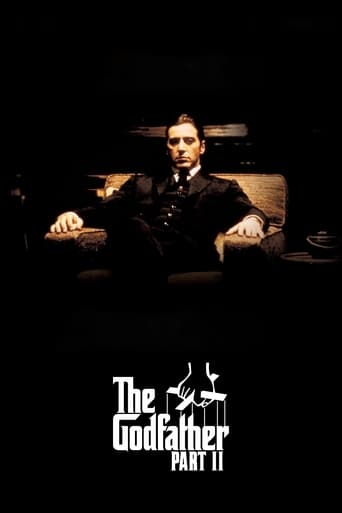
The shelf Paramount Pictures shares the best average of the guide, 7.875, with Warner Bros. Pictures, and it holds more films rated 8 or more than any other shelf, six. The best rated film of the guide is here: The Godfather, of 1972, by Francis Ford Coppola, with Marlon Brando and Al Pacino, the saga of the Corleone family, with an 8.7, also the oldest film of the guide; The Godfather Part II, of 1974, follows with an 8.6. The most voted film of the shelf is Forrest Gump, of 1994, by Robert Zemeckis, with Tom Hanks as the simple man from Alabama who drifts through thirty years of American history, with an 8.5 and about 30,700 votes.
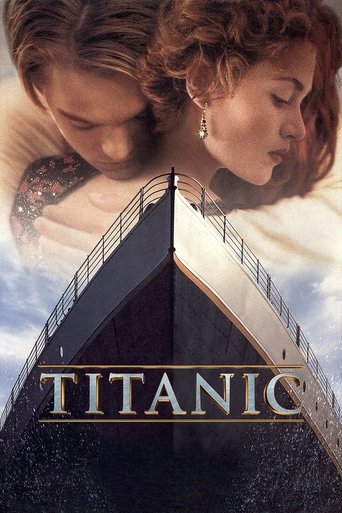
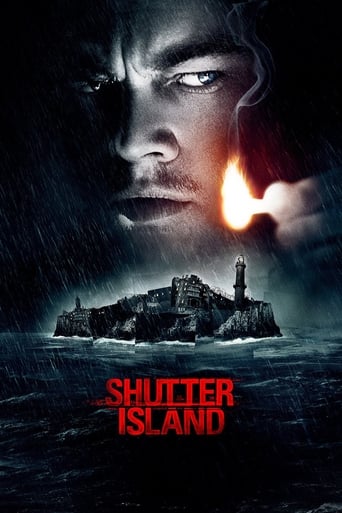
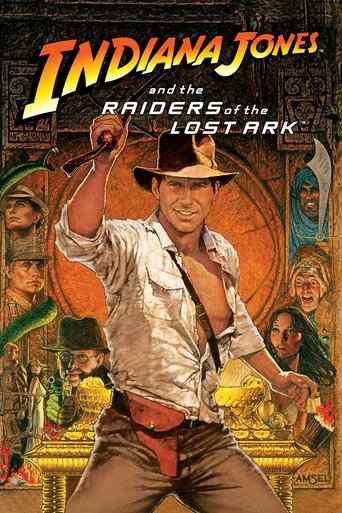
The 1990s give the shelf three more giants: Titanic, of 1997, by James Cameron, made with 20th Century Fox, at 194 minutes; Saving Private Ryan, of 1998, by Steven Spielberg, with Tom Hanks again, whose opening on Omaha Beach is one of the most famous war scenes on film, and The Truman Show, of 1998, by Peter Weir, with Jim Carrey, both with an 8.2. Spielberg also made Raiders of the Lost Ark, of 1981, the first Indiana Jones film, with Harrison Ford, so that he has two films here and three at Universal. Martin Scorsese directed Shutter Island, of 2010, with Leonardo DiCaprio as a marshal investigating a hospital for the criminally insane, also an 8.2.
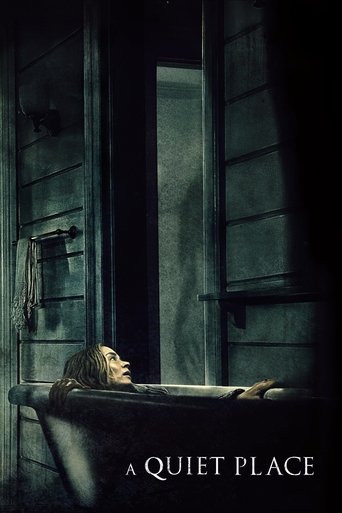
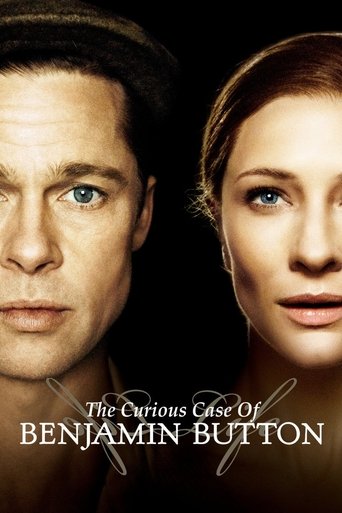
David Fincher directed two films of the shelf, Zodiac, of 2007, with Jake Gyllenhaal and Mark Ruffalo, the long hunt for a serial killer in San Francisco, and The Curious Case of Benjamin Button, of 2008, with Brad Pitt as a man who ages backwards. The blockbusters of the 2000s and 2010s complete it: Transformers, of 2007, by Michael Bay; World War Z, of 2013, with Brad Pitt facing a zombie pandemic, and A Quiet Place, of 2018, by and with John Krasinski, with Emily Blunt, a family that must live in silence to escape creatures that hunt by sound.
Columbia Pictures
The shelf Columbia Pictures runs from 1976 to 2019. Its most voted and best rated film is Django Unchained, of 2012, by Quentin Tarantino, with Jamie Foxx as a freed slave and Christoph Waltz as a German bounty hunter, with an 8.2; Tarantino also made Once Upon a Time... in Hollywood for Columbia in 2019, with Leonardo DiCaprio and Brad Pitt, so that, with Inglourious Basterds at Universal, he has three films in the guide. The oldest film of the shelf is Taxi Driver, of 1976, by Martin Scorsese, with Robert De Niro as the lonely New York cab driver Travis Bickle, with an 8.1.
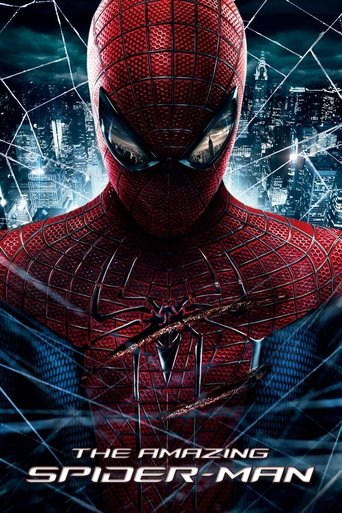
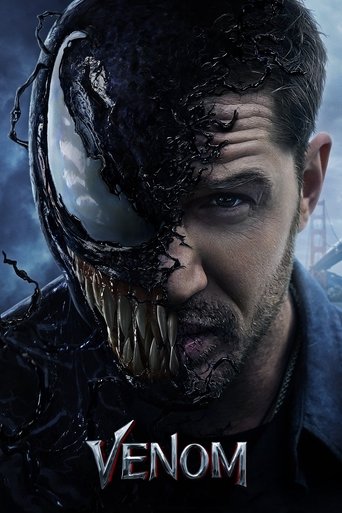
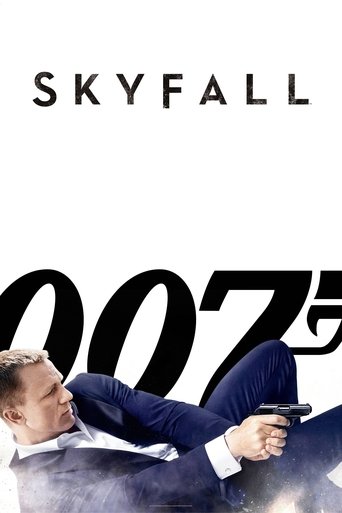
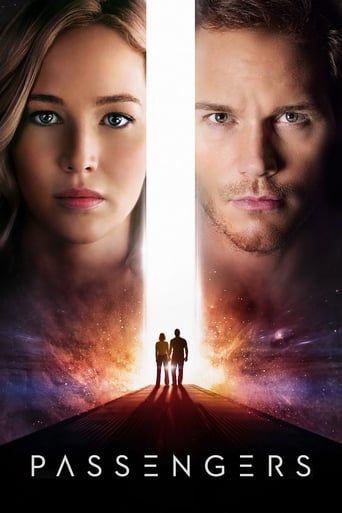
Spider-Man is the hero of the shelf. Spider-Man, of 2002, and Spider-Man 2, of 2004, by Sam Raimi, with Tobey Maguire, launched the modern superhero film; The Amazing Spider-Man, of 2012, and The Amazing Spider-Man 2, of 2014, by Marc Webb, with Andrew Garfield and Emma Stone, restarted the story, and Venom, of 2018, with Tom Hardy, gave the villain a film of his own. The other films are the big entertainments of the studio: Men in Black, of 1997, with Tommy Lee Jones and Will Smith; Skyfall, of 2012, by Sam Mendes, the twenty-third James Bond film, with Daniel Craig; Blade Runner 2049, of 2017, by Denis Villeneuve, with Ryan Gosling and Harrison Ford; Jumanji: Welcome to the Jungle, of 2017, with Dwayne Johnson, and Passengers, of 2016, with Jennifer Lawrence and Chris Pratt, two travellers who wake too early on a spaceship.
Sony Pictures Animation
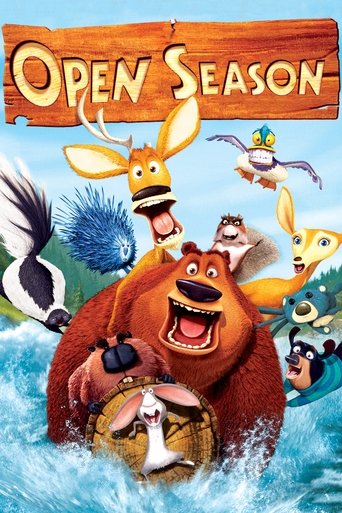
The shelf Sony Pictures Animation belongs to the animation studio founded by Sony in 2002, whose first feature was Open Season, of 2006, co-directed by Roger Allers, one of the directors of The Lion King, so that he appears on two shelves of the guide. Its most voted and best rated film is Spider-Man: Into the Spider-Verse, of 2018, with an 8.4, the story of Miles Morales, a teenager from Brooklyn who meets the Spider-People of other dimensions, told in a style that imitates the printed comic book, winner of the Academy Award for best animated feature.
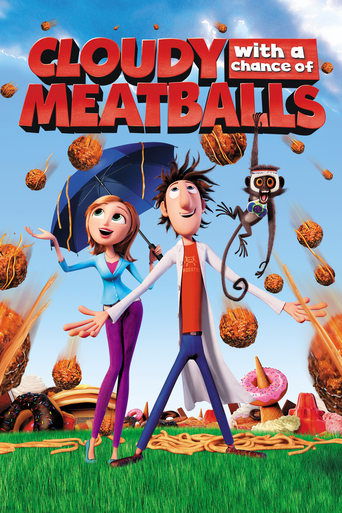
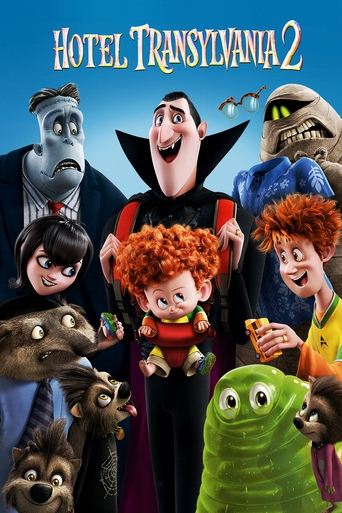
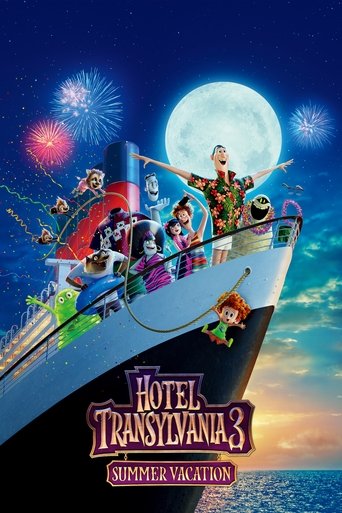
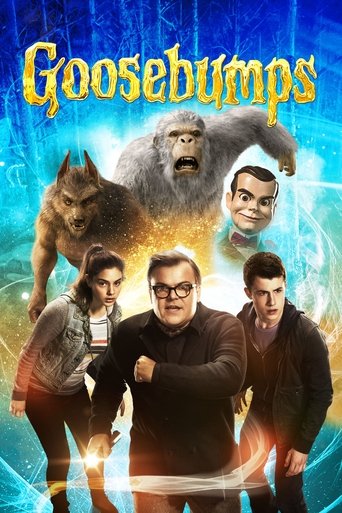
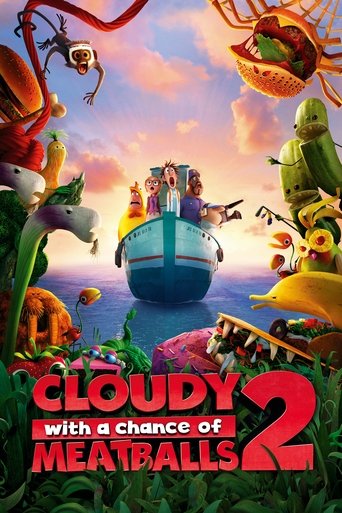
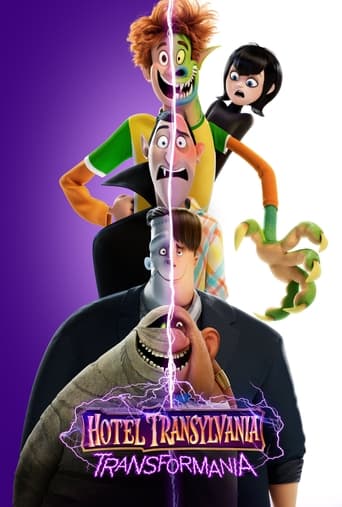
Genndy Tartakovsky, the creator of Dexter's Laboratory, directed the first three films of the Hotel Transylvania series, from Hotel Transylvania, of 2012, with Adam Sandler as Count Dracula, the owner of a hotel for monsters, to the summer cruise of 2018; the fourth, Hotel Transylvania: Transformania, of 2022, closes the series. Cloudy with a Chance of Meatballs, of 2009, by Phil Lord and Christopher Miller, a machine that turns water into food, and its sequel of 2013; The Mitchells vs. the Machines, of 2021, with a 7.8, a family road trip during a robot uprising; Surf's Up, of 2007, a mockumentary about surfing penguins; The Smurfs, of 2011, and Goosebumps, of 2015, two films that mix animation and live action, and The Emoji Movie, of 2017, the lowest rated film of the guide at 5.4, complete it.
The logos of the oligopoly
Before the first image of almost every film in this guide comes a few seconds of corporate theatre, the studio logo, and the logos of the oligopoly are among the most familiar images in cinema. Paramount opens with a mountain peak ringed by a crown of stars, Universal with the Earth turning slowly in space as the letters of its name sweep around it, and Columbia with a woman in a draped gown holding a torch high, like a classical statue, against a sky of clouds. Warner Bros. uses a golden shield with the letters WB, sometimes set over the water tower of its studio lot in Burbank, which has become another symbol of the company.
The younger labels have logos that tell a story of their own. The Disney films open on a fairy-tale castle under a shower of fireworks, with a line of light arching over it like the trail of a wand. Pixar opens with its desk lamp, Luxo Jr., the hero of an early short film of the studio, which hops onto the letter I of the name and squashes it flat before taking its place. Marvel Studios opens with a rush of comic book pages turning so fast that they become a red wall with the white letters of the name, and in later films the pages give way to images of the heroes themselves. Illumination often lets its Minions play with the logo, and the DC films open on the blue emblem of the publisher, sometimes dressed in the colours of the film to come.
These few seconds are part of what the oligopoly sells. A logo promises a kind of film before a single scene: a Pixar lamp promises a story that adults and children will both enjoy, a Marvel flip a piece of a larger universe, a Focus Features card a smaller and more personal film. When studios merge, the logos often stay, because audiences know them; when a film is made by several companies, the logos follow one another at the start, like the credits of a coalition. The guide The app of 2022 recalls how the Oligopoly app itself presented the films of all these studios side by side, with a simple card for each, which is the spirit of this guide too.
The animated oligopoly
Animation is the most concentrated corner of the oligopoly, and the collection The animated oligopoly gathers its 44 films. Three studios make almost all of them: Pixar, with thirteen, Illumination, with twelve, and Sony Pictures Animation, with twelve of its thirteen films, the thirteenth being the live-action Goosebumps. Walt Disney Pictures adds six, from The Lion King to Moana, and Focus Features one, the post-apocalyptic 9, of 2009, produced by Tim Burton and Timur Bekmambetov. Together the 44 films hold about 514,000 votes, a fifth of the guide, with an average of 7.19. The three studios have very different signatures: Pixar is the best rated, with an average of 7.77, Illumination the most commercial, built around one family of characters, and Sony Pictures Animation the most adventurous in style, from the comic-book look of the Spider-Verse to the doodled, sketchbook look of the Mitchells.
The directors who cross the lines
Most directors of the guide work for a single studio. Peter Jackson made all six of his films for New Line, David Yates his five for Warner Bros. Pictures, Chris Renaud his five for Illumination and Zack Snyder his four for DC. A few great names cross the lines of the oligopoly. Steven Spielberg has five films on two shelves, three at Universal, Jaws, E.T. the Extra-Terrestrial and Jurassic Park, and two at Paramount, Raiders of the Lost Ark and Saving Private Ryan. Christopher Nolan has four films on two shelves of the same family, Inception at Warner Bros. and the Batman trilogy at DC; Robert Zemeckis four on two shelves, the three Back to the Future films at Universal and Forrest Gump at Paramount.
Quentin Tarantino has three films on two shelves, Inglourious Basterds at Universal and Django Unchained and Once Upon a Time in Hollywood at Columbia, and David Fincher three on two, Se7en at New Line and Zodiac and The Curious Case of Benjamin Button at Paramount. Martin Scorsese has two, Taxi Driver at Columbia and Shutter Island at Paramount. Joss Whedon links two rival universes, with the first two Avengers films at Marvel and his work on Justice League at DC, and James Wan two shelves of Warner, The Conjuring at New Line and Aquaman at DC. The guide The directors lists them all.
The stars who cross the lines
The actors move even more freely than the directors. Brad Pitt is the great traveller of the guide, with six films on five shelves: Se7en at New Line, Inglourious Basterds at Universal, Burn After Reading at Focus, World War Z and Benjamin Button at Paramount, and Once Upon a Time in Hollywood at Columbia. Leonardo DiCaprio has five films on three shelves, Inception at Warner Bros., Titanic and Shutter Island at Paramount, and Django Unchained and Once Upon a Time in Hollywood at Columbia; Chris Pratt five on three, the two Guardians films at Marvel, the two Jurassic World films at Universal and Passengers at Columbia.
Mark Ruffalo appears as the Hulk in four Avengers films and also in Shutter Island, Zodiac and Eternal Sunshine of the Spotless Mind; Tom Hardy in Inception, Mad Max: Fury Road, The Dark Knight Rises and Venom; Jim Carrey in The Mask, The Truman Show and Eternal Sunshine, on three shelves of three different families; and Robert De Niro in The Godfather Part II, Taxi Driver and Joker, three films made more than four decades apart. The most frequent faces of all are Robert Downey Jr., in eight Marvel films and Zodiac, and Emma Watson, in the eight Harry Potter films and Beauty and the Beast. The guide The stars lists the actors who appear most often.
The oligopoly through the decades
The guide leans heavily towards the present, because the most voted films on TMDB are mostly recent: 83 of the 155 films are from the 2010s and 39 from the 2000s, against fourteen from the 1990s, six from the 1980s and four from the 1970s, plus nine from 2020 to 2022. The busiest years are 2017, with thirteen films, 2016, with twelve, and 2012, with eleven. The older films, though, are the best rated: the collection Before 2000 gathers the 24 films released before 2000, from The Godfather to Toy Story 2, and its average of 8.01 is far above that of the guide. The guide Before 2000 follows them in order of release.
Oligopoly in figures
The 155 films of the guide carry about 2.59 million votes on TMDB, with an average rating of 7.42, and 37 of them reach 8 or more; the collection Rated 8 or more lists them, best first, from The Godfather, at 8.7, to the films at 8.0. The most voted are Inception, The Avengers, The Dark Knight, Avengers: Infinity War, Forrest Gump and Guardians of the Galaxy, each with more than 30,000 votes. Together the films last about 19,400 minutes, more than 320 hours; the longest is the version of Justice League by Zack Snyder, at 242 minutes, followed by The Godfather Part II and The Return of the King, and the shortest are 9, at 79 minutes, and Toy Story, at 81. All 155 films are in English, 116 of them American by first production country and 22 British. The guide The figures gathers every number.
Where to begin
For a first evening with the oligopoly, choose one film from each family: Coco or Up for Disney, The Dark Knight or Inception for Warner Bros. Discovery, Back to the Future for NBCUniversal and The Godfather for Paramount and Sony. For a weekend, the great sagas of the guide make long marathons: the eight Harry Potter films at Warner Bros., the six films of Middle-earth at New Line, the Back to the Future trilogy at Universal, the Hotel Transylvania series at Sony Pictures Animation, or the Avengers films at Marvel, from The Avengers to Avengers: Endgame. And to see the oligopoly at its most personal, try the Focus Features shelf, with In Bruges, Brokeback Mountain and Eternal Sunshine of the Spotless Mind, or the two Godfather films, made at Paramount at the start of the 1970s.
How to use Oligopoly
The home page opens with the large title Oligopoly and the introduction, then the strip Featured studios, a row of twelve rounded cards, one per studio, each coloured by its family: blue for Disney, slate for Warner Bros. Discovery, teal for NBCUniversal and red for Paramount and Sony. Each card shows the family, the studio and its number of films and leads to the row of that studio further down. Each row has its title on the left and a grey See all link on the right that opens the full shelf; the posters scroll sideways, as on the old app, and each one shows the rating, the year and the name of the studio. The menu at the top leads to the four families, and the search box finds any film by its title; the guide Search tips explains how.
The film page has the English synopsis, the cast, the director, the genres and the release date. The Watch now button opens the film on JustWatch, which shows the services that offer it in your country, and the button Add to My List keeps it in My list, stored in your browser, like the Saved tab of the old app. The guide How to use Oligopoly explains each part, and the guide The Watch now button explains how JustWatch works.
Questions
What is Oligopoly
An English guide to 155 films of the Hollywood studio oligopoly, on twelve shelves of the Big Five studios, named after a film app of 2022 at olgply.com.
What is an oligopoly
A market held by a few large sellers; in Hollywood, the Big Five of Disney, Warner Bros. Discovery, NBCUniversal, Paramount and Sony.
How are the films chosen
For each studio label, the thirteen most voted TMDB films up to 2022 credited to it; a specialised label such as Pixar or DC takes precedence over its parent studio.
Which film has the most votes
Inception, with about 40,500 votes.
Which film is the best rated
The Godfather, with an 8.7.
Which shelves are the best rated
Warner Bros. Pictures and Paramount Pictures, level with an average of 7.875.
Which is the longest film
The version of Justice League by Zack Snyder, with 242 minutes.
Which director has the most films
Peter Jackson, with six films at New Line Cinema.
Where can I watch the films
The Watch now button opens each film on JustWatch, which shows the services that offer it in your country.
Where is My list kept
In your browser, on the device where you create it.
